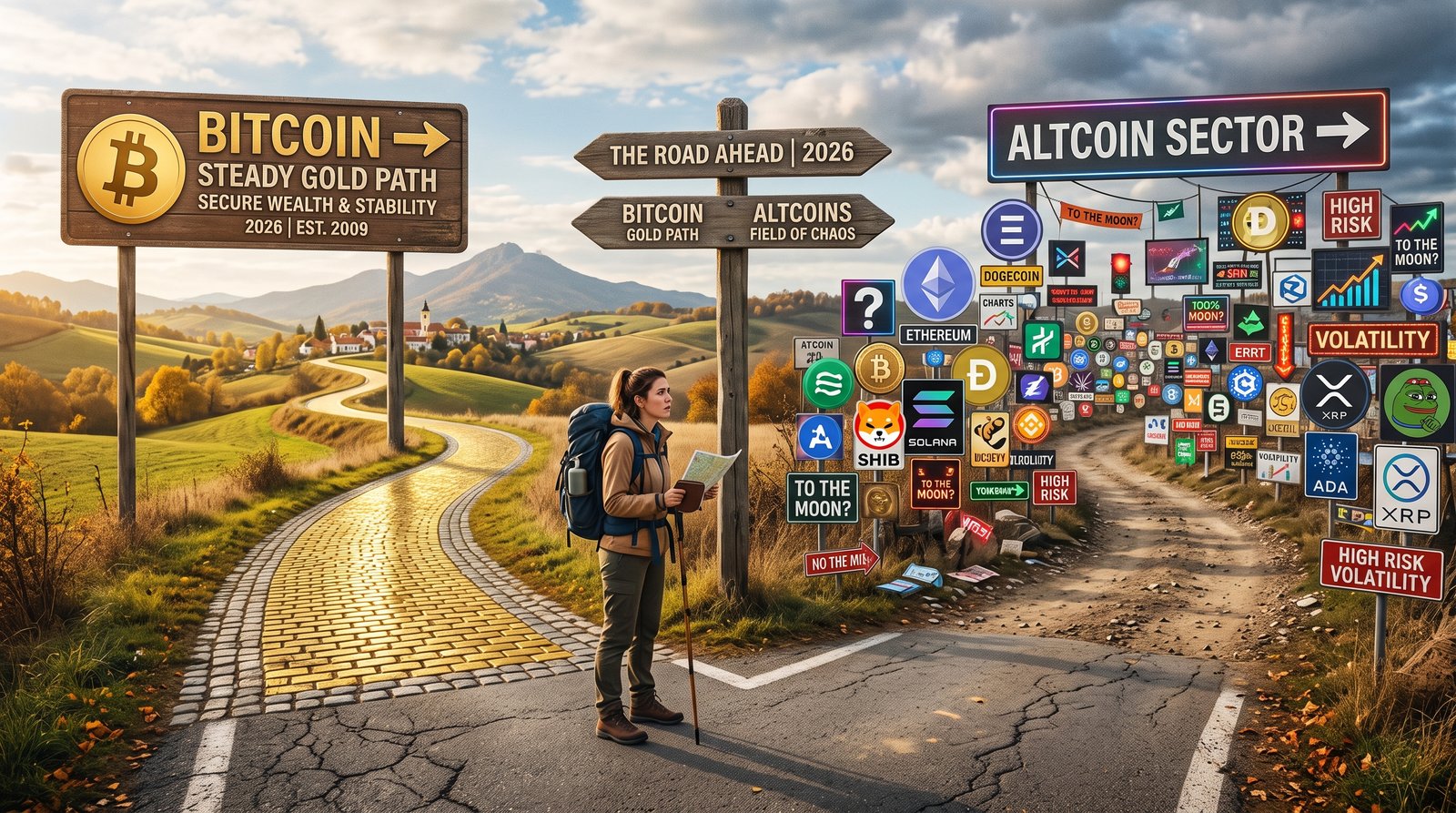
Altcoins — all cryptocurrencies other than Bitcoin — represent both the greatest opportunities and the greatest risks in the digital asset space. As we progress through 2026, the altcoin market has matured significantly, with clearer distinctions between fundamentally sound projects and speculative tokens.
The Altcoin Landscape in 2026
The altcoin market has evolved dramatically since the early days of cryptocurrency. Thousands of projects have been launched, and the vast majority have failed. However, a subset of altcoins has demonstrated genuine product-market fit, sustainable revenue models, and growing adoption.
In 2026, the altcoin market can be broadly categorized into smart contract platforms, decentralized finance protocols, infrastructure projects, application-specific tokens, and meme coins. Each category carries different risk profiles and return potential.
The Case for Altcoins
Higher Growth Potential
Altcoins generally have smaller market capitalizations than Bitcoin, which means they have more room for growth. A project that grows from a one billion to a fifty billion dollar market cap generates returns that Bitcoin — with its trillion-dollar-plus market cap — simply cannot match.
Innovation Exposure
While Bitcoin focuses on being a store of value, altcoins drive innovation across decentralized finance, artificial intelligence, gaming, supply chain, and countless other sectors. Investing in altcoins provides exposure to technological advancements that could transform entire industries.
Portfolio Diversification
Altcoins often have different risk-return profiles and different market drivers than Bitcoin. Including altcoins in a portfolio can improve risk-adjusted returns by reducing correlation and providing multiple sources of return.
The Case Against Altcoins
Higher Risk
Altcoins carry significantly higher risk than Bitcoin. They are more volatile, more susceptible to market manipulation, and more likely to fail completely. Many fundamentally sound projects have nevertheless failed due to competition, regulatory issues, or execution failures.
Regulatory Uncertainty
Many altcoins face significant regulatory risk. Securities classification, exchange delistings, and legal actions can devastate an altcoin's value overnight. Bitcoin, with its clearer regulatory status, is less exposed to this risk.
Information Asymmetry
Large holders and insiders often have better information about altcoins than retail investors. Token unlocks, insider selling, and coordinated marketing campaigns can create artificial price movements that trap uninformed buyers. This information asymmetry is less pronounced in Bitcoin.
How to Select Altcoins Worth Investing In
Focus on Fundamental Value
Invest in altcoins with clear value propositions, sustainable tokenomics, and real adoption. Avoid projects with vague roadmaps, unlimited token supplies, or value propositions that depend entirely on marketing hype.
Prioritize Established Projects
Altcoins that have survived multiple market cycles demonstrate resilience. Established projects have proven development teams, battle-tested technology, and communities that have weathered bear markets. Prioritize projects that have been operational for at least two to three years.
Evaluate Revenue Models
The most sustainable altcoins generate real revenue through fees, services, or other economic activities. Projects that have clear paths to profitability and sustainable business models are better positioned for long-term success than those that rely entirely on token price appreciation.
Portfolio Allocation for Altcoins
A prudent approach limits altcoin exposure to twenty to thirty percent of your total crypto portfolio. Within that allocation, diversify across multiple sectors and projects. Limit individual positions to one to five percent of your total portfolio to manage downside risk.
Consider using a tiered approach: allocate the largest positions to established altcoins with proven track records, medium positions to promising projects with strong fundamentals, and small exploratory positions to experimental projects in emerging sectors.
When to Avoid Altcoins
Altcoins are not suitable for all investors. If you have a low risk tolerance, a short investment horizon, or limited ability to research and monitor multiple projects, focusing on Bitcoin and Ethereum may be more appropriate.
Avoid altcoins during late-stage bull markets when valuations are stretched and risk is highest. The best time to accumulate altcoins is during bear markets when prices are depressed and the noise around projects has faded.
Conclusion
Altcoins can be worth investing in during 2026, but only with careful selection and disciplined risk management. The days of buying any altcoin and watching it appreciate are over — the market has matured, and only projects with genuine value, strong teams, and sustainable tokenomics will generate long-term returns.
Approach altcoin investing with the same rigor you would apply to any venture capital investment. Do your research, size positions appropriately, and be prepared for the possibility that even your best-researched investments may fail. With the right approach, altcoins can be a valuable component of a diversified crypto portfolio.