How Whale Activity Affects Crypto Markets
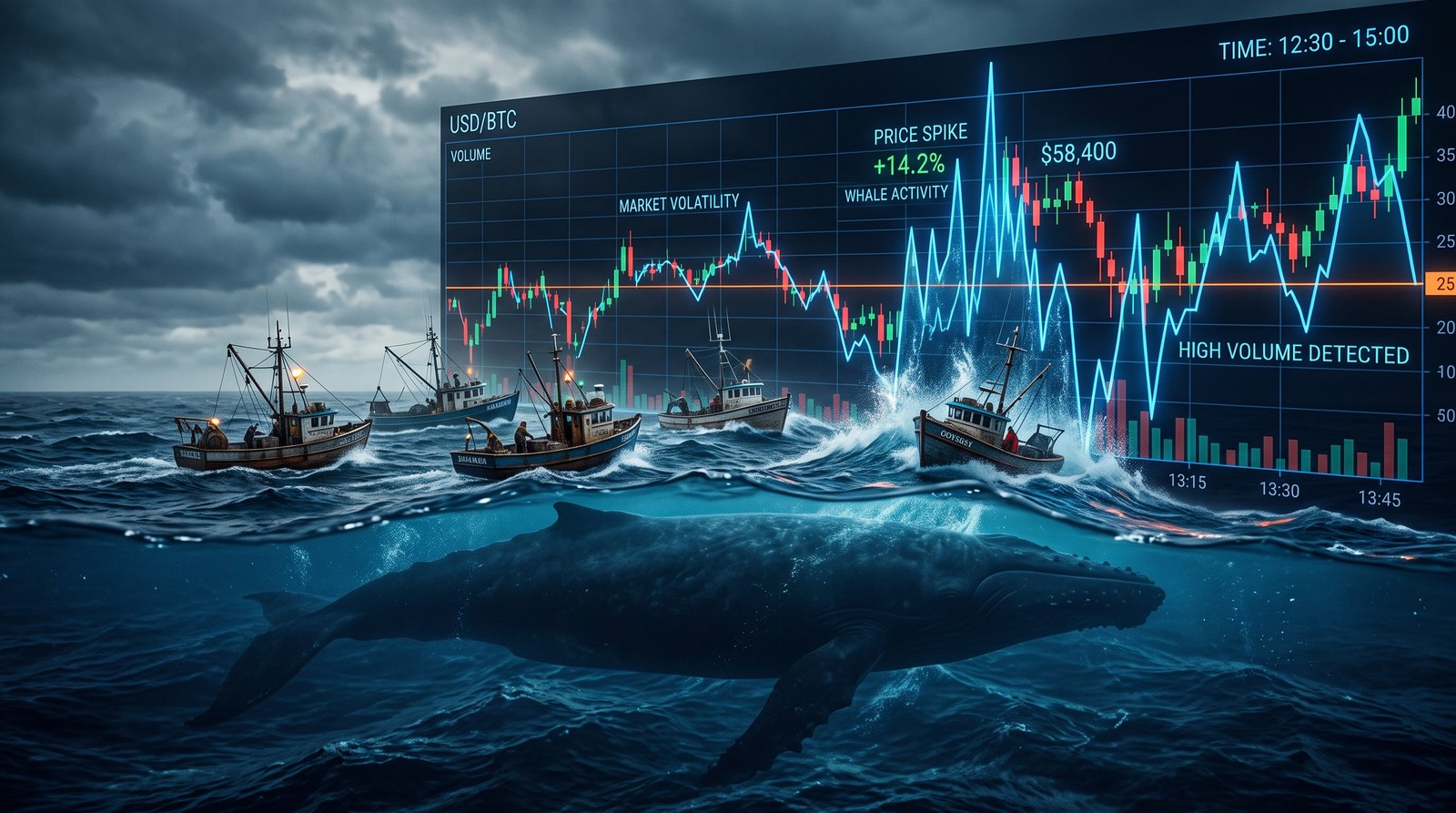
Whales — individuals or entities that hold large amounts of cryptocurrency — have an outsized impact on market dynamics. Their trading activities can move prices, create trends, and influence the behavior of smaller market participants. Understanding whale behavior and learning to interpret their on-chain footprint provides valuable insight for any cryptocurrency trader or investor.
Who Are Crypto Whales?
Crypto whales are entities that hold enough of a particular cryptocurrency to influence its market price. The exact threshold for whale status varies by asset — for Bitcoin, whales are typically defined as entities holding more than one thousand BTC. For smaller cryptocurrencies, the threshold may be much lower. Whales can be individuals, investment funds, trading firms, exchanges, or projects themselves.
The cryptocurrency market has a higher concentration of ownership than most traditional markets. The top one percent of Bitcoin addresses control a significant percentage of the circulating supply. This concentration means that the actions of a relatively small number of entities can have disproportionate market impact. Understanding who these entities are and how they behave is essential for interpreting market movements.
How Whales Accumulate and Distribute
Whales typically accumulate during bear markets when prices are low and sentiment is negative. They buy large amounts gradually to avoid moving the market against themselves, often using over-the-counter desks to execute large trades without impacting exchange prices. This accumulation phase is characterized by steady exchange outflows and increasing balances in private wallets.
Distribution occurs during bull markets when prices are high and retail demand is strong. Whales sell into rising prices, taking advantage of the liquidity provided by enthusiastic buyers. Distribution is characterized by exchange inflows and transfers to trading platforms. The ability to identify accumulation and distribution phases provides significant insight into where the smart money is positioning.
Tracking Whale Activity On-Chain
Large Transactions
Transactions above certain size thresholds can be monitored in real-time. Large transfers to exchanges are often precursors to selling. Large transfers from exchanges to private wallets indicate accumulation. Tracking these large transactions provides early warning of potential whale movements.
Exchange Whale Ratios
The exchange whale ratio measures the proportion of top exchange inflows coming from whale addresses. A high ratio indicates that whales are moving significant amounts to exchanges, which often precedes selling pressure. A low ratio suggests that retail traders are driving exchange flows while whales remain inactive.
Supply Distribution
Analyzing how supply is distributed across different wallet sizes reveals the concentration of holdings. Increasing supply held by large addresses suggests accumulation by whales. Decreasing supply held by large addresses suggests distribution. Changes in distribution patterns can signal shifts in whale sentiment before they are reflected in price.
Whale Manipulation Tactics
While not all whale activity is manipulative, some whales employ tactics designed to move prices in their favor. Spoofing involves placing large orders that are not intended to be filled, creating false impressions of supply or demand. Wash trading involves simultaneous buying and selling to create artificial volume. Stop hunting involves driving prices to levels where many stop-loss orders are clustered, triggering them to create liquidity for larger positions.
Being aware of these tactics helps traders avoid being trapped by whale-driven moves. If you see an unusually large sell order that does not get filled, it may be spoofing. If price breaks a key level but immediately reverses, it may be a stop hunt. Understanding whale tactics allows you to interpret unusual market behavior more accurately.
The Impact of Whale Activity on Volatility
Whale activity can increase or decrease market volatility depending on the context. Large market orders from whales can cause sudden price spikes or drops, increasing short-term volatility. Conversely, whale accumulation can absorb selling pressure and reduce volatility during downtrends.
Thin order books on altcoin markets make them particularly susceptible to whale manipulation. A single large buy order on a low-liquidity altcoin can drive price up significantly, creating the appearance of strong demand. Retail traders who buy into this apparent strength may find themselves holding when the whale sells into the liquidity they have created.
Whale Activity as a Leading Indicator
Whale activity often precedes significant market movements. When whales begin accumulating, it signals that knowledgeable capital is positioning for higher prices. When whales begin distributing, it suggests that the smart money is exiting positions. Tracking whale activity provides an early warning system for potential trend changes.
However, interpreting whale activity requires nuance. Not all whale accumulation leads to immediate price increases. Whales may accumulate for months before prices begin to rise. Similarly, distribution can precede price declines by significant periods. The most valuable insight comes from tracking trends in whale behavior over time, not reacting to individual transactions.
Retail Trader Response to Whale Activity
Retail traders often respond to whale activity in ways that benefit the whales. When whales sell, retail traders often buy, providing liquidity for the whales to exit their positions. When whales accumulate, retail traders often sell, providing the supply that whales need to build positions. This dynamic consistently transfers wealth from retail to whales.
Avoiding this pattern requires independent thinking. Do not assume that large trades reflect superior information — whales can be wrong too. Do not follow whale activity blindly — understand the context and the motivations. The most successful traders develop their own analysis and use whale activity as one input among many, not as a signal to be followed automatically.
Tools for Tracking Whale Activity
Several platforms provide tools for tracking whale activity. Whale Alert monitors large cryptocurrency transactions in real time and broadcasts them. Glassnode provides on-chain analytics including exchange whale ratios, supply distribution, and entity metrics. CoinMarketCap and CoinGecko offer whale alert features for some assets. Messari provides institutional-grade analytics with whale tracking capabilities.
For active traders, setting up alerts for large transactions on specific assets can provide real-time awareness of whale movements. For long-term investors, monitoring trends in supply distribution and whale holdings provides context for strategic decisions. Choose tools that match your trading style and time horizon.
Conclusion
Whale activity is a significant factor in cryptocurrency markets. Large holders can influence prices, create trends, and manipulate market dynamics in their favor. Understanding how whales operate and learning to interpret on-chain whale activity provides valuable insight for making informed trading and investment decisions.
However, avoid the trap of treating whale activity as infallible market guidance. Whales can be wrong, and following them blindly can lead to poor outcomes. Use whale tracking as one component of a comprehensive analysis framework that includes technical analysis, fundamental research, and sentiment assessment. The most successful traders combine multiple sources of information to develop their own market view rather than simply following the smart money.